
The social consequences of gambling in modern society
The Rise of Gambling in Contemporary Culture
In recent years, gambling has increasingly woven itself into the fabric of modern society. This convenience has transformed gambling from a once-taboo activity into a socially acceptable pastime, leading to significant shifts in public perception. Individuals looking for the best online casinos can now access various platforms, making the activity readily available.
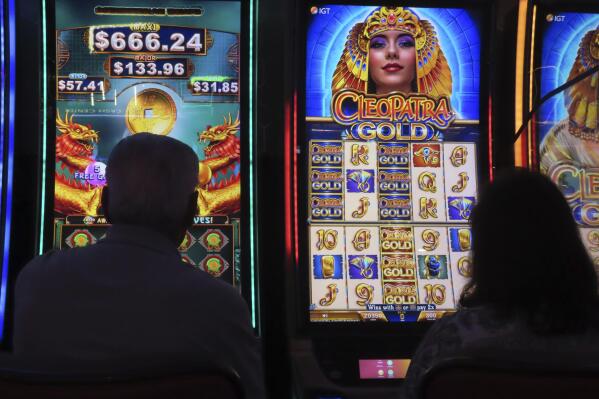
However, this normalization raises concerns about the potential social consequences. As more people engage in gambling activities, there is a growing risk of addiction, which can have dire effects on individuals and their families. The blurring lines between entertainment and gambling can lead to excessive spending and emotional distress, exacerbating issues that may already exist within communities.
Economic Implications of Gambling
The economic impact of gambling is multifaceted, encompassing both benefits and drawbacks. On one hand, legalized gambling can provide substantial revenue for governments through taxation, contributing to public services and infrastructure development. Moreover, the gambling industry generates jobs and stimulates local economies, particularly in regions with casinos or betting facilities.
On the other hand, the negative economic consequences can be profound. Gambling-related debts can lead to financial ruin for individuals, resulting in increased demand for social services and support systems. Communities may experience a cycle of poverty as gambling addiction strips families of their financial stability, ultimately requiring intervention from local agencies to address these issues.
Impact on Families and Relationships
The social consequences of gambling extend deeply into family dynamics and personal relationships. The stresses associated with gambling can lead to conflicts, breakdowns in communication, and even domestic violence. Family members of problem gamblers often face emotional and financial burdens, creating a ripple effect that can destabilize households.
Furthermore, children in families impacted by gambling may experience neglect or emotional distress, leading to long-term psychological effects. The stigma associated with gambling addiction can also isolate families from social support networks, exacerbating feelings of shame and despair that hinder recovery efforts.
Community and Social Cohesion
The proliferation of gambling establishments can alter community landscapes, affecting social cohesion. While some argue that casinos can bring in tourism and economic growth, they can also contribute to increased crime rates, such as fraud and substance abuse, which can tarnish community safety and well-being. As neighborhoods grapple with these challenges, trust and camaraderie among residents may erode.
The presence of gambling can also shift community priorities, as local governments may prioritize casino revenue over other essential services, such as education and healthcare. This focus can create divisions within communities, with some residents advocating for gambling’s economic benefits while others voice concerns about its social costs.

Conclusion and Future Perspectives
The discussion surrounding the social consequences of gambling in modern society is complex and multifaceted. As gambling continues to evolve, it is crucial to engage in open dialogues about its implications for individuals and communities. Awareness and education play pivotal roles in addressing gambling-related issues, fostering healthier perspectives and practices surrounding this activity.
While gambling can offer entertainment and economic opportunities, society must remain vigilant regarding its potential pitfalls. As we navigate this landscape, efforts to promote responsible gambling practices and support for those affected by gambling addiction will be essential in mitigating its social consequences.
ความเห็นล่าสุด